
When Guests Don’t Know What to Do
You’ve seen it before.
Guests approach the food table…
pause…
look around…
“Do I need a plate?”
“Is this self-serve?”
“How do I eat this?”
That hesitation—even for a few seconds—breaks flow.
Because great catering isn’t just about food.
It’s about clarity.
And the most successful setups?
They don’t explain—they guide.

What Is an “Intuitive” Catering Setup?
An intuitive setup is one where:
-
Guests immediately understand how to eat
-
Movement feels natural
-
No instructions are needed
-
Everything feels effortless
👉 It’s design that matches real human behavior.
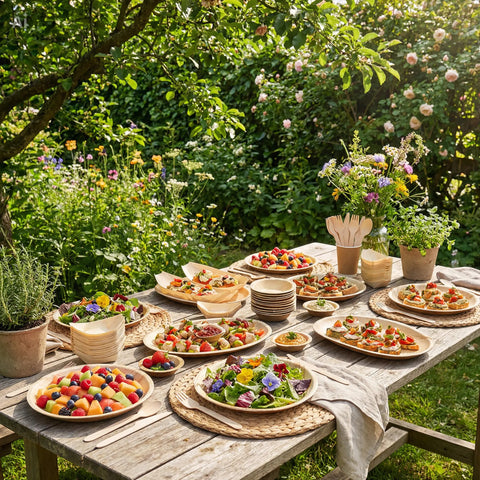
The Problem: Confusing Setups Create Friction
When tools and presentation don’t align, guests:
-
Hesitate or wait
-
Take the wrong items
-
Struggle with portions
-
Create unnecessary mess
And that friction affects:
-
Flow
-
Experience
-
Perception of the event
The Shift: Let the Tools Do the Talking
Instead of relying on signs or staff instructions, smart caterers use tools as signals.
Brands like Canape King design products that naturally guide behavior—so guests instinctively know what to do.
The Key Tools That Make Setups Instinctive
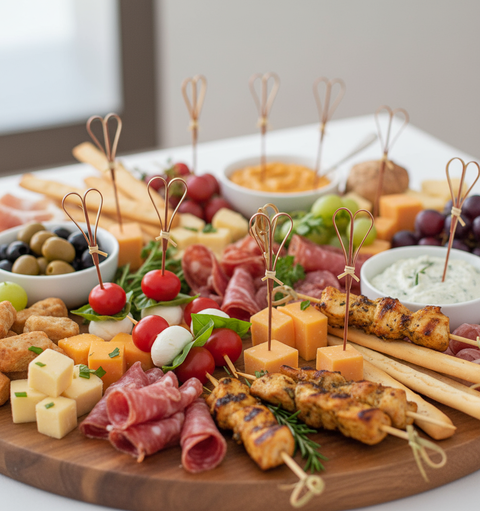
1. Skewers & Picks = “Grab Me” Signal
When food is already skewered:
-
Guests know it’s ready to eat
-
No utensils needed
-
No confusion about portions
👉 Skewers turn food into grab-and-go bites instantly.
2. Pinewood Cones = “Snack & Walk” Experience
Pinewood cones are one of the most intuitive tools.
They:
-
Fit naturally in one hand
-
Signal casual, mobile eating
-
Encourage movement and interaction
👉 Perfect for:
-
Fries
-
Finger foods
-
Street-style servings
No explanation needed—guests just grab and go.

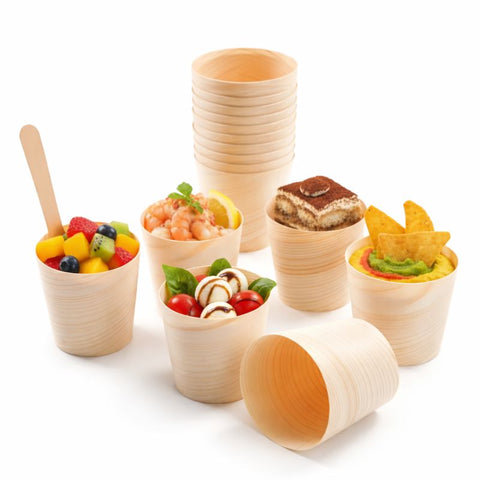
3. Pinewood Cups = “Scoop & Enjoy” Simplicity
Pinewood cups create clear structure.
They:
-
Define portion size
-
Contain sauces and layered food
-
Make eating feel controlled
👉 Ideal for:
-
Desserts
-
Saucy appetizers
-
Layered bites
Guests instantly understand: pick up, scoop, enjoy.
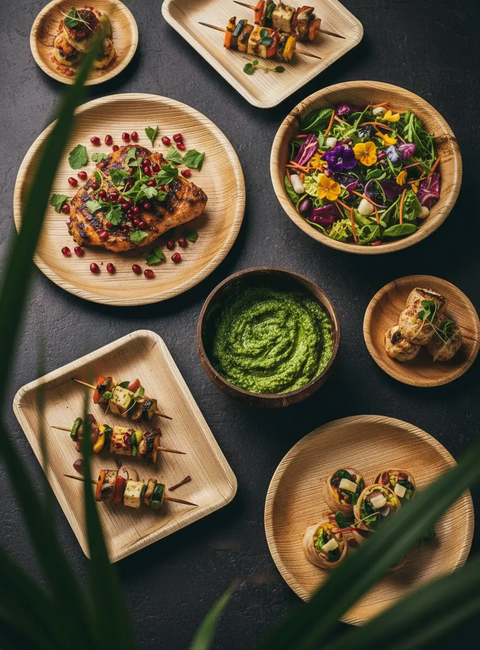
4. Palm Leaf Plates = “This Is Your Base”
When a plate is needed, it should feel obvious.
Palm leaf plates:
-
Provide structure without feeling bulky
-
Hold food securely
-
Fit comfortably in one hand
👉 They signal:
“This is your main serving surface.”
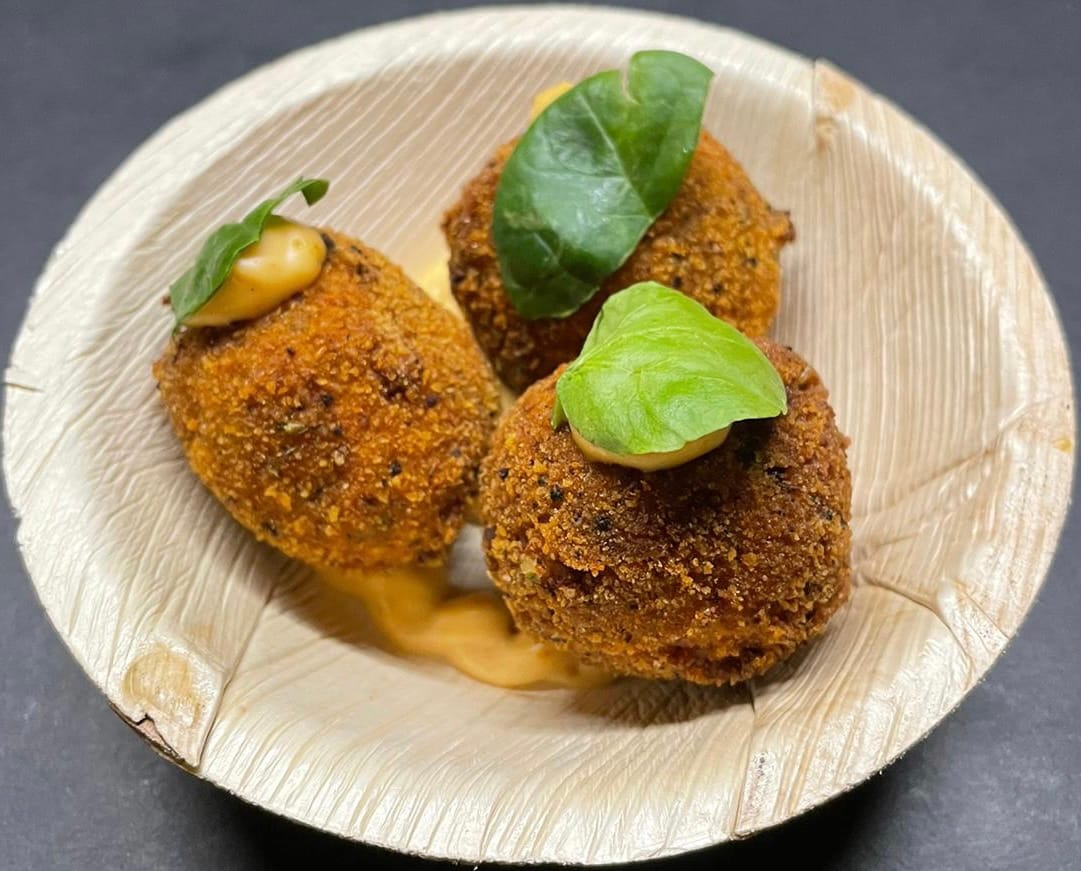
5. Bowls = “Contained & Easy”
Bowls naturally guide behavior.
Guests know:
-
Food stays inside
-
Less risk of spilling
-
Easier handling
👉 The right bowl depth reinforces:
-
Portion clarity
-
Clean eating experience
How These Tools Shape Guest Behavior
When combined correctly, these tools:
-
Eliminate hesitation
-
Reduce decision-making
-
Improve movement
-
Create a smooth, natural flow
👉 Guests don’t think—they just follow the design.
The Psychology Behind It
People look for cues.
And in events, those cues come from:
-
Shape
-
Structure
-
Accessibility
For example:
-
Skewer → “Pick it up”
-
Cone → “Walk with it”
-
Bowl → “Hold and eat safely”
This is silent communication through design.
Common Mistakes That Break Intuition
Avoid these:
-
Food that requires guessing how to eat
-
No clear serving tools
-
Mixing too many formats without structure
-
Overcomplicating presentation
These force guests to think—and thinking slows everything down.

Where This Matters Most
Intuitive setups are essential for:
-
Cocktail events
-
Brand activations
-
Outdoor catering
-
High-traffic gatherings
Anywhere guests are:
-
Moving
-
Socializing
-
Eating quickly
The Result: Effortless, Elevated Experiences
When your setup is intuitive:
-
Guests feel comfortable immediately
-
Service becomes faster
-
The event feels seamless and premium
👉 And the best part?
They don’t notice why it feels good—they just remember that it does.

Final Thought: Design That Speaks Without Words
The most powerful catering setups don’t rely on instructions.
They rely on design that makes sense instantly.
And often, the difference comes down to choosing the right tools:
-
Skewers that simplify
-
Cones that guide movement
-
Cups and bowls that create structure
Because when guests instinctively understand what to do everything else flows naturally.
The best events don’t need instructions—guests just know what to do.


Comments (0)
There are no comments for this article. Be the first one to leave a message!